


Embark on a journey through the most informative travel brochures for 2026 with our extensive guide. Discover the evolution of destination guides, the essential information they cover, and how they enhance the travel experience.
Delve into the role of design, visuals, and user experience in creating captivating travel brochures that cater to all types of travelers.
Research on Free Destination Guides for 2026
In today's digital age, travelers have access to a plethora of free destination guides that provide valuable information to enhance their travel experiences. Let's delve into the evolution of destination guides and the importance of up-to-date information in travel brochures.Identifying Popular Sources for Free Destination Guides
In recent years, popular sources for free destination guides have expanded to include online platforms, official tourism websites, travel blogs, and even social media channels. These sources offer a wide range of information, from detailed itineraries to insider tips from locals, making travel planning more accessible and convenient.Evolution of Destination Guides
Destination guides have come a long way from traditional printed brochures to interactive online platforms and mobile applications. With advancements in technology, travelers now have access to real-time updates, interactive maps, and personalized recommendations based on their preferences. This evolution has transformed the way travelers explore new destinations and plan their trips.Importance of Up-to-Date Information in Travel Brochures
Having up-to-date information in travel brochures is crucial for travelers to make informed decisions and stay safe during their journeys. From updated visa requirements to current safety advisories, timely information ensures that travelers have a smooth and hassle-free experience. Additionally, with rapidly changing travel trends and regulations, staying informed is essential to make the most of your travel experience in 2026.Types of Information Covered in Travel Brochures
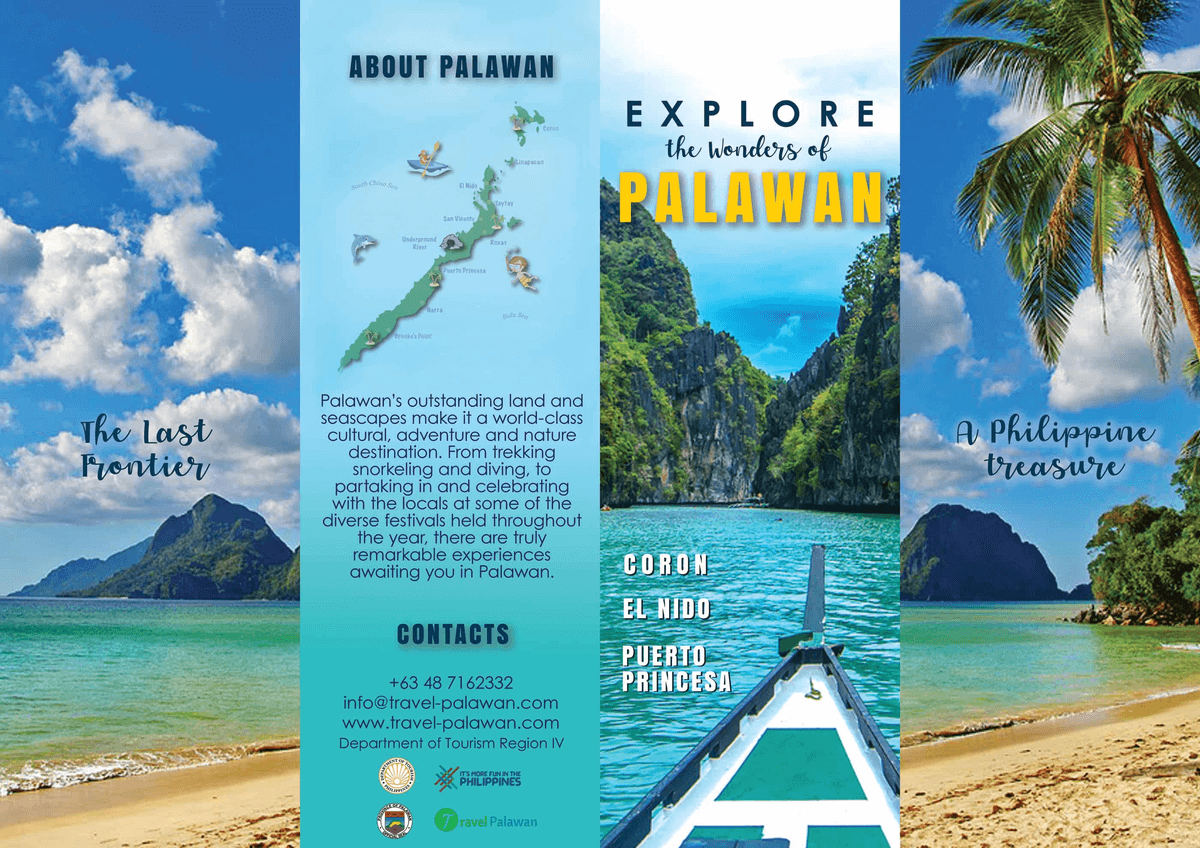 Travel brochures are designed to provide essential information to travelers, helping them plan their trips effectively. Whether in digital or printed format, these brochures aim to offer a comprehensive overview of a destination and its attractions. Let's explore the key information typically included in travel brochures and how they can enhance the travel experience.
Essential Information in Travel Brochures
- Overview of the destination, including its history, culture, and geography.
- Top tourist attractions and must-see landmarks in the area.
- Information on local cuisine, traditional dishes, and popular restaurants.
- Accommodation options, from hotels to guesthouses and rental properties.
- Transportation details, such as airports, public transportation, and car rental services.
- Weather conditions and best times to visit the destination.
Digital vs. Printed Travel Brochures
- Digital Brochures: Offer interactive maps, videos, and links for further information.
- Printed Brochures: Provide a tangible resource that travelers can carry with them and refer to offline.
- Both Formats: Include stunning visuals, detailed descriptions, and travel tips.
Enhancing the Travel Experience
Travel brochures play a crucial role in enhancing the travel experience by:- Helping travelers discover hidden gems and off-the-beaten-path locations.
- Providing valuable insights into the local culture, traditions, and way of life.
- Offering practical tips and recommendations for a seamless travel experience.
- Inspiring travelers to explore new destinations and create unforgettable memories.
Design and Layout of Informative Travel Brochures
When it comes to travel brochures, design plays a crucial role in attracting readers and sparking their interest in a destination. A well-designed brochure not only catches the eye but also conveys the essence of the location in a visually appealing way.Visual elements such as maps, photos, and illustrations are essential in bringing the destination to life within the pages of a travel brochure. Maps help readers orient themselves and understand the layout of the place they are considering visiting. High-quality photos showcase the beauty and attractions of the destination, while illustrations can add a creative and unique touch to the overall design.To create visually appealing and user-friendly brochures, consider the following tips:Use of Color and Typography
- Choose a color palette that reflects the destination's vibe and atmosphere.
- Use legible fonts that are easy to read, especially when conveying important information.
- Ensure a good balance between text and visuals to maintain reader engagement.
Layout and Organization
- Organize information in a clear and logical manner, guiding readers through the brochure seamlessly.
- Include headings and subheadings to break up content and make it easier to navigate.
- Leave white space to avoid overcrowding and allow elements to breathe.
Incorporating Visuals
- Select high-quality images that capture the essence of the destination and its unique features.
- Integrate maps to provide a visual representation of the location and highlight key landmarks or attractions.
- Add illustrations or graphics to enhance the overall design and create a memorable impression.
User Experience and Accessibility of Travel Brochures
When it comes to travel brochures, the user experience plays a crucial role in how effective they are at providing information to travelers. Let's explore how different types of travelers interact with these brochures and ways to make them more accessible to everyone.
Usability for Different Types of Travelers
Travel brochures should cater to a wide range of travelers, from first-time tourists to seasoned adventurers. Here are some considerations to enhance usability:
- Include clear and concise information for easy navigation.
- Use visuals such as maps and images to appeal to visual learners.
- Provide detailed itineraries for travelers who prefer structured plans.
- Offer local insights and hidden gems for experienced travelers looking for unique experiences.
Making Brochures Accessible to Individuals with Disabilities
Accessibility is key to ensuring that travel brochures can be enjoyed by all individuals, regardless of their abilities. Here are some ways to enhance accessibility:
- Include braille versions of the brochures for visually impaired travelers.
- Ensure that digital versions are compatible with screen readers for those with visual impairments.
- Use high color contrast and large fonts for easy readability by individuals with low vision.
- Provide alternative text for images to describe visual content to those with visual impairments.
Interactive Features in Digital Travel Guides
With the rise of digital technology, interactive features can significantly enhance the user experience of travel guides. Here are some interactive elements to consider:
- Interactive maps with clickable points of interest for easy exploration.
- Virtual tours or 360-degree views to give travelers a glimpse of destinations.
- Personalized recommendations based on user preferences for a tailored experience.
- Integration of reviews and ratings from other travelers for informed decision-making.
Concluding Remarks
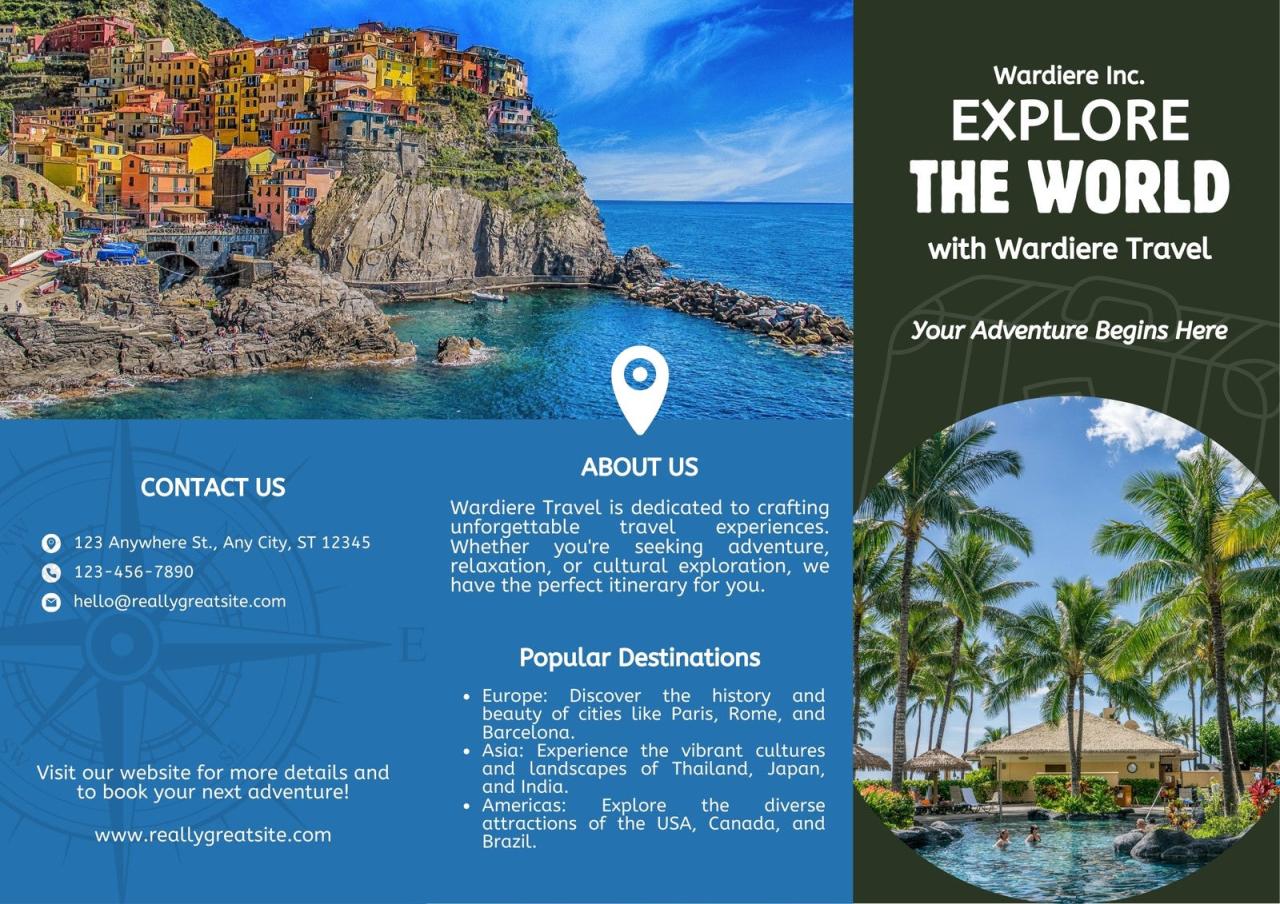
In conclusion, Free Destination Guides for 2026 offer a wealth of information to enhance your travel adventures. Stay informed, inspired, and ready to explore new destinations with these valuable resources at your fingertips.
Helpful Answers
How have destination guides evolved over the years?
Destination guides have transformed from traditional printed brochures to interactive digital platforms, offering more dynamic and engaging content.
What essential information is typically included in travel brochures?
Travel brochures usually cover details on accommodations, attractions, activities, dining options, and transportation in a particular destination.
How can travel brochures enhance the overall travel experience?
By providing comprehensive information and insider tips, travel brochures help travelers plan their trips effectively, ensuring a smoother and more enjoyable experience.
What role does design play in attracting readers to travel brochures?
Design elements such as layout, color scheme, and fonts can significantly impact the visual appeal of brochures, making them more eye-catching and engaging for readers.
How can travel brochures be made more accessible to individuals with disabilities?
Travel brochures can be made more accessible by providing alternative formats such as audio descriptions, braille versions, and ensuring compatibility with screen readers for visually impaired users.