


Travel Media Careers: How to Become a Professional Destination Storyteller sets the stage for this enthralling narrative, offering readers a glimpse into a story that is rich in detail and brimming with originality from the outset.
The journey to becoming a professional destination storyteller is filled with excitement and challenges, requiring a unique blend of creativity and skills to captivate audiences around the world.
Introduction to Travel Media Careers
A professional destination storyteller plays a crucial role in the travel media industry by capturing the essence of different destinations through compelling narratives, photos, and videos.
Significance of Storytelling in the Travel Media Industry
Storytelling is essential in the travel media industry as it helps create a connection between the audience and the destination, inspiring wanderlust and promoting tourism. Through storytelling, travel media professionals can transport their audience to different places, allowing them to experience the beauty and culture of various destinations.
Skills Required to Excel as a Destination Storyteller
- Strong Writing Skills: A destination storyteller must be able to craft engaging and descriptive narratives that capture the essence of a place.
- Photography and Videography Skills: Capturing stunning visuals is essential in conveying the beauty of a destination. A destination storyteller should have a good eye for composition and lighting.
- Creativity: Thinking outside the box and finding unique angles to tell a destination's story is key to standing out in the competitive travel media industry.
- Cultural Sensitivity: Understanding and respecting different cultures is crucial when portraying destinations authentically and respectfully.
- Adaptability: Travel media professionals often work in diverse environments and must be able to adapt to different situations and challenges while on assignment.
Educational Background and Training
Having the right educational background and training is essential for aspiring destination storytellers to succeed in the competitive travel media industry. Here are some key points to consider:Recommended Educational Background
- A degree in journalism, communications, media studies, or a related field can provide a strong foundation for a career in travel media.
- Courses in creative writing, photography, videography, and digital media can also be beneficial in developing storytelling skills.
- Understanding cultural studies, geography, and history can enrich the depth and authenticity of destination storytelling.
Potential Courses or Certifications
- Storytelling Techniques: Courses that focus on narrative structure, character development, and engaging storytelling can enhance the quality of travel content.
- Visual Communication: Learning about visual storytelling through photography, videography, and graphic design can bring destinations to life in a compelling way.
- Social Media Marketing: Understanding how to leverage social media platforms for storytelling and audience engagement is crucial in today's digital landscape.
Importance of Hands-On Training
Hands-on training and practical experience play a vital role in honing storytelling skills and gaining industry insights. Internships, workshops, and freelance projects allow aspiring destination storytellers to apply theoretical knowledge in real-world scenarios, build a portfolio, and network with professionals in the field.Building a Portfolio
Creating a compelling portfolio is essential for showcasing your storytelling abilities in the travel media industry. Your portfolio serves as a visual representation of your skills and experiences, allowing potential employers or clients to see the quality of your work. Here are some tips on how to build an impressive travel media portfolio:Types of Content to Include
When building your portfolio, it's important to include a variety of content that highlights your ability to tell engaging stories about different destinations. Here are some types of content that you should consider including:- Travel articles and blog posts: Showcase your writing skills by including samples of your travel articles or blog posts. Make sure to demonstrate your ability to capture the essence of a destination through your writing.
- Photography and videography: Include high-quality photos and videos that you have captured during your travels. Visual content is a powerful storytelling tool and can help bring your travel experiences to life for your audience.
- Social media campaigns: If you have experience running social media campaigns for travel brands or destinations, be sure to include examples of your work. Highlight the engagement and reach of your campaigns to demonstrate your social media skills.
- Podcasts or interviews: If you have created podcasts or conducted interviews with travelers or locals, include these in your portfolio. This type of content showcases your ability to engage with others and share their stories.
Significance of a Diverse Portfolio
A diverse portfolio is crucial in the travel media industry as it shows your versatility and range as a storyteller. Including content from a variety of destinations and in different storytelling styles demonstrates your ability to adapt to different audiences and narratives. Employers and clients will be impressed by a portfolio that reflects your creativity, skills, and passion for travel storytelling.Networking and Collaboration
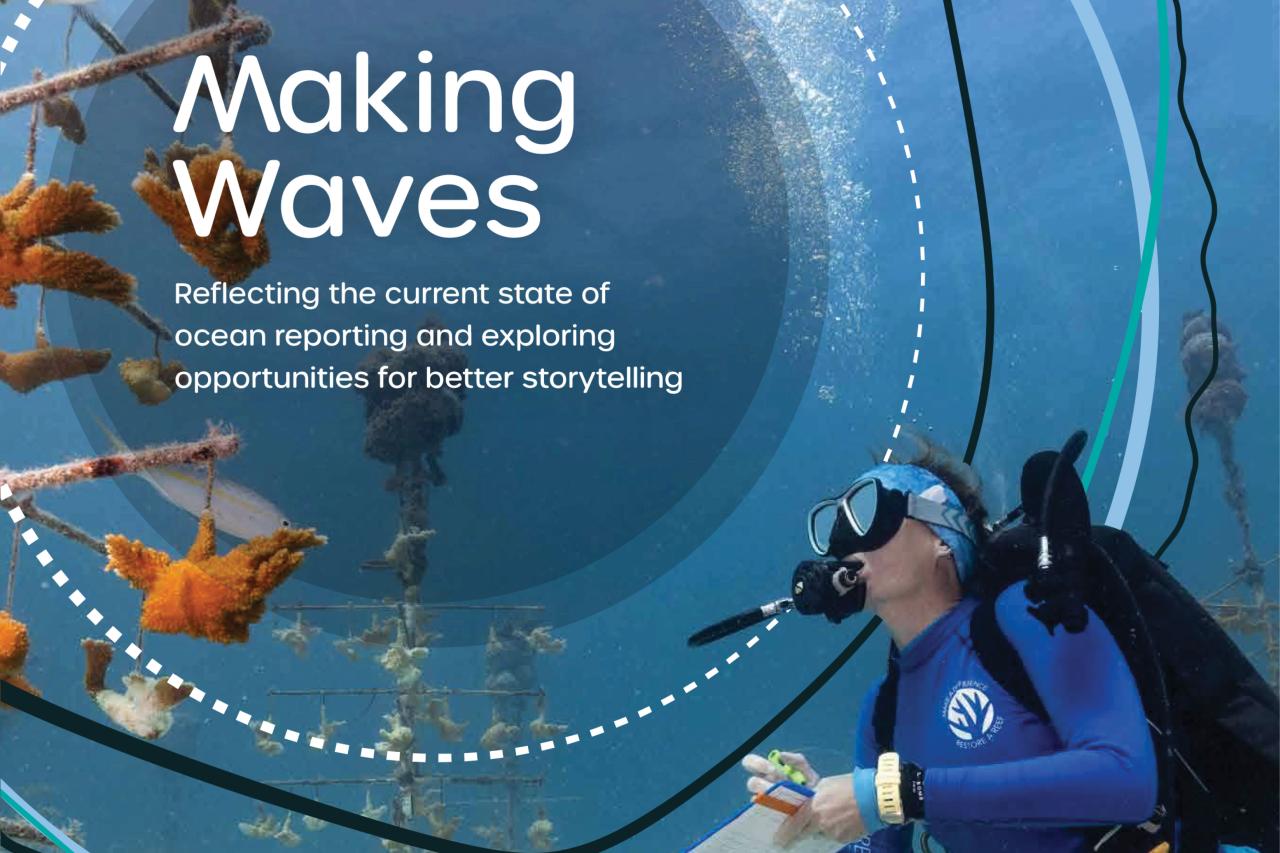 Networking and collaboration play a crucial role in advancing your career in the travel media industry. By connecting with other professionals, travel bloggers, and influencers, you can expand your reach, gain valuable insights, and create opportunities for growth and development.
Strategies for Connecting
- Attend industry events, conferences, and workshops to meet like-minded individuals and establish meaningful connections.
- Utilize social media platforms such as LinkedIn, Twitter, and Instagram to engage with professionals in the travel media field.
- Join online communities and forums dedicated to travel media to share knowledge, seek advice, and build relationships.
- Collaborate on projects with other content creators to leverage each other's strengths and reach a wider audience.
Benefits of Collaboration
- Access to a wider audience and increased exposure for your work.
- Opportunity to learn new skills and techniques from collaborating with photographers, videographers, and other content creators.
- Enhanced creativity and innovation through the exchange of ideas and perspectives.
- Potential for shared resources, costs, and workload, making projects more manageable and efficient.
Pitching and Freelancing
Pitching story ideas to travel publications, websites, and agencies is a crucial skill for destination storytellers looking to freelance in the travel media industry. It involves crafting compelling proposals to showcase your unique perspective and experiences. Freelancing offers flexibility and creative freedom, but it also comes with challenges such as uncertainty and competition. Understanding how to navigate these aspects can lead to a successful career as a freelancer in travel media.Guide on Pitching Story Ideas
- Research the publication or website to understand their audience and content style.
- Craft a concise and engaging pitch that highlights your story angle and why it is relevant to their platform.
- Include samples of your previous work or a portfolio to showcase your writing and storytelling abilities.
- Follow up on your pitch professionally and be open to feedback or suggestions for revisions.
Tips for Freelancing as a Destination Storyteller
- Establish a strong online presence through a personal website or social media to attract potential clients.
- Network with other professionals in the industry to expand your opportunities for collaborations and projects.
- Set clear boundaries and expectations with clients regarding deadlines, payment terms, and project scope.
- Continuously improve your skills through workshops, courses, and feedback to stay competitive in the market.
Challenges and Rewards of Freelancing
- Challenges: Dealing with irregular income, managing multiple projects simultaneously, and finding a work-life balance.
- Rewards: Flexibility to work on diverse projects, creative freedom to explore different storytelling formats, and the opportunity to travel to unique destinations.
- Overcoming challenges in freelancing can lead to personal and professional growth, building a fulfilling career in travel media.
Leveraging Social Media and Online Platforms
In today's digital age, social media and online platforms play a crucial role in promoting travel content and expanding the reach of destination storytellers. By effectively leveraging these platforms, professionals in the travel media industry can connect with a wider audience and maximize their impact.Building a Strong Online Presence
Building a strong online presence as a destination storyteller involves strategic planning and consistent efforts to engage with followers and attract new audiences. Here are some strategies to consider:- Create and maintain a professional website or blog to showcase your work and establish credibility in the industry.
- Utilize social media platforms such as Instagram, Facebook, Twitter, and LinkedIn to share your travel stories, photos, and videos with a broader audience.
- Interact with your followers regularly by responding to comments, messages, and feedback to build a loyal community of supporters.
- Collaborate with other travel influencers, brands, and organizations to expand your reach and attract new followers.
- Utilize search engine optimization () techniques to improve the visibility of your online content and attract organic traffic to your website or social media profiles.
Impact of Digital Platforms on Travel Media Careers
The evolution of travel media careers has been significantly influenced by the rise of digital platforms. Professionals in the industry now have the opportunity to reach a global audience, engage with followers in real-time, and collaborate with brands and tourism boards to create compelling travel content. The democratization of content creation through social media and online platforms has opened up new possibilities for destination storytellers to showcase their work and build a successful career in the travel media industry.Ethical Considerations in Travel Storytelling
Travel storytellers have a crucial role in shaping the perceptions of destinations and cultures through their work. It is essential for destination storytellers to uphold ethical standards and be mindful of the impact their stories may have on the communities they portray.Cultural Sensitivity and Authenticity
Maintaining cultural sensitivity and authenticity is paramount in travel storytelling. It is important to respect the traditions, beliefs, and values of the local communities being portrayed. By accurately representing the culture and heritage of a destination, storytellers can contribute to a more informed and respectful portrayal.Avoiding Misrepresentation and Exploitation
One of the key ethical responsibilities of destination storytellers is to avoid misrepresenting or exploiting destinations and local communities for personal gain. It is crucial to present a balanced and truthful narrative that does not sensationalize or distort the reality of a place. By being transparent and respectful in their storytelling, professionals can build trust with their audience and the communities they feature.Responsible Storytelling Practices
To ensure ethical storytelling, destination storytellers should engage in responsible practices such as obtaining consent from individuals before sharing their stories, respecting privacy and cultural norms, and acknowledging the impact of their narratives. By being mindful of the power of storytelling, professionals can create meaningful and authentic content that celebrates the diversity and richness of the world.Ending Remarks
As we conclude this exploration into the world of travel media careers, it's evident that becoming a professional destination storyteller is a rewarding path that demands dedication, passion, and a deep appreciation for the art of storytelling.
Common Queries
What educational background is recommended for aspiring destination storytellers?
A background in journalism, communications, or creative writing can be beneficial, along with courses in photography and videography to enhance storytelling skills.
How can I build a compelling portfolio as a destination storyteller?
Focus on showcasing a diverse range of storytelling styles and content from different destinations, including written pieces, photographs, and videos to demonstrate your capabilities.
Why is networking important in the travel media industry?
Networking helps you connect with like-minded professionals, potential collaborators, and opportunities to expand your reach and visibility in the industry.
What ethical considerations should destination storytellers keep in mind?
It's crucial to respect local cultures, avoid stereotypes, and ensure authenticity in storytelling to portray destinations accurately and ethically.