


Behind the Scenes: How Travel Media Professionals Capture the Perfect Shot sets the stage for this enthralling narrative, offering readers a glimpse into a story that is rich in detail and brimming with originality from the outset.
As we delve into the intricacies of capturing the perfect shot in travel media, we uncover the essential elements that professionals employ to create stunning visuals that captivate audiences worldwide.
Setting the Scene
Setting the scene before capturing the perfect shot is essential to create a visually appealing and impactful image. It involves carefully selecting the right location, background, lighting, and weather conditions to enhance the overall composition of the photograph.Choosing the Right Location or Background
When choosing a location or background for a photo shoot, consider the theme or message you want to convey. The setting should complement the subject of the photograph and add to the storytelling aspect of the image. Look for interesting textures, colors, and patterns that can add depth and visual interest to the shot.Lighting and Weather Conditions
Lighting is a critical component of setting the scene for a perfect shot. The quality, direction, and intensity of light can dramatically affect the mood and atmosphere of the photograph. Consider shooting during the golden hour (early morning or late afternoon) for soft, warm light that enhances the subject. Additionally, pay attention to weather conditions such as clouds, fog, or rain, as they can add a unique element to the image.Equipment Essentials
Travel media professionals rely on a set of essential equipment to capture the perfect shot. Each piece plays a crucial role in ensuring high-quality images and videos that engage viewers and convey the beauty of different destinations.Camera
A high-quality camera is the backbone of any travel media professional's gear. Whether it's a DSLR, mirrorless, or action camera, choosing the right one depends on the type of shot and location. DSLRs are ideal for capturing detailed shots, while mirrorless cameras offer versatility and portability. Action cameras are great for adventurous shots and vlogs.
Lenses
The choice of lens can greatly impact the outcome of a shot. Wide-angle lenses are perfect for capturing landscapes and architecture, while telephoto lenses are essential for wildlife and detailed shots. Having a variety of lenses in your kit allows for creativity and flexibility in different shooting scenarios.
Tripod
A sturdy tripod is essential for achieving stable shots, especially in low light conditions or long exposures. It also helps in framing the shot perfectly and keeping the camera steady for video recording. Look for lightweight and compact tripods for easy travel.
Drone
Drones have revolutionized travel media by offering stunning aerial perspectives. They are perfect for capturing breathtaking views, landscapes, and establishing shots. Make sure to check local regulations and guidelines before flying a drone in a new location.
External Microphone
Good audio quality is just as important as the visuals in travel videos. An external microphone reduces background noise and captures clear audio for interviews, narration, or ambient sounds. It's a must-have for professional-looking and sounding content.
Framing and Composition
When it comes to travel photography, framing and composition play a crucial role in capturing the perfect shot. Understanding the rules of framing and composition can help travel media professionals create visually appealing and impactful images that tell a compelling story.Framing is the technique of drawing attention to the subject of your photograph by blocking other parts of the image with something in the scene. It helps to create a sense of depth and focus the viewer's attention on the main subject. Composition, on the other hand, involves arranging elements within the frame to create a visually pleasing and balanced image.Rules of Framing and Composition
- Rule of Thirds: Divide your frame into nine equal parts using two horizontal and two vertical lines. Place key elements along these lines or at their intersections to create a more dynamic and visually interesting composition.
- Leading Lines: Use natural lines in the scene, such as roads, rivers, or fences, to lead the viewer's eye towards the main subject of the photograph.
- Frame within a Frame: Look for natural frames within the scene, like doorways, windows, or arches, to frame your subject and add depth to the image.
Composition can make or break a shot by influencing how the viewer perceives the image and the story it conveys.
Examples of Framing Techniques
- Foreground Elements: Including elements in the foreground helps to create a sense of depth and scale in the image.
- Negative Space: Leaving empty space around the subject can draw attention to the main subject and evoke emotions.
- Symmetry and Patterns: Utilizing symmetry and patterns in the scene can create a harmonious and visually appealing composition.
Capturing Authentic Moments
Capturing authentic moments during travel shoots is essential to creating compelling and genuine storytelling through photography. It requires a combination of patience, observation, and the ability to connect with your subjects on a personal level.Strategies for Capturing Authentic Moments
- Be patient and observant: Take the time to observe your surroundings and the people in them. Authentic moments often unfold naturally, so be patient and ready to capture them when they happen.
- Create a connection with your subjects: Building a rapport with the people you are photographing can help them feel more comfortable and open up in front of the camera. Engage with them, learn about their stories, and show genuine interest in who they are.
- Avoid staging or directing: To capture authenticity, it's important to let moments happen organically. Avoid staging shots or directing your subjects too much, as this can take away from the genuine emotions you are trying to capture.
Editing and Post-Processing
Editing and post-processing play a crucial role in shaping the final look of travel photos captured by media professionals. These techniques allow them to enhance the visual appeal of their shots, create a cohesive narrative, and bring out the true essence of the destination. Let's delve into the post-processing techniques used by travel media professionals and how they maintain authenticity in their editing process.Post-Processing Techniques
- Color Correction: Adjusting the colors in a photo can make a significant difference in its overall look. Travel media professionals often tweak the saturation, contrast, and white balance to ensure that the colors accurately reflect the scene they captured.
- Sharpening and Clarity: Enhancing the sharpness and clarity of an image can make details pop and create a more engaging visual experience. Professionals use tools like sharpening filters to refine the finer details in their photos.
- Cropping and Composition: Cropping an image can help improve its composition and focus on the main subject. Travel media professionals carefully crop their photos to eliminate distractions and create a more compelling visual story.
Role of Editing in Enhancing Visual Appeal
- Creating Mood and Atmosphere: Editing can help set the mood and atmosphere of a photo, whether it's a serene landscape or a bustling cityscape. Professionals use editing techniques to evoke emotions and immerse viewers in the travel experience.
- Highlighting Key Elements: Through editing, media professionals can draw attention to specific elements in a photo, such as unique architecture, vibrant street scenes, or breathtaking natural landscapes. This helps in conveying the essence of a destination effectively.
Maintaining Authenticity in Editing
- Avoid Over-Editing: While editing can enhance the visual appeal of a photo, it's essential to strike a balance and not go overboard with effects. Travel media professionals aim to maintain the authenticity of the scene by avoiding excessive filters or alterations that may distort the original image.
- Preserving Natural Colors: Keeping the colors true to life is key to maintaining authenticity in travel photos. Professionals focus on adjusting colors subtly to ensure that the photo reflects the natural beauty of the destination accurately.
Overcoming Challenges
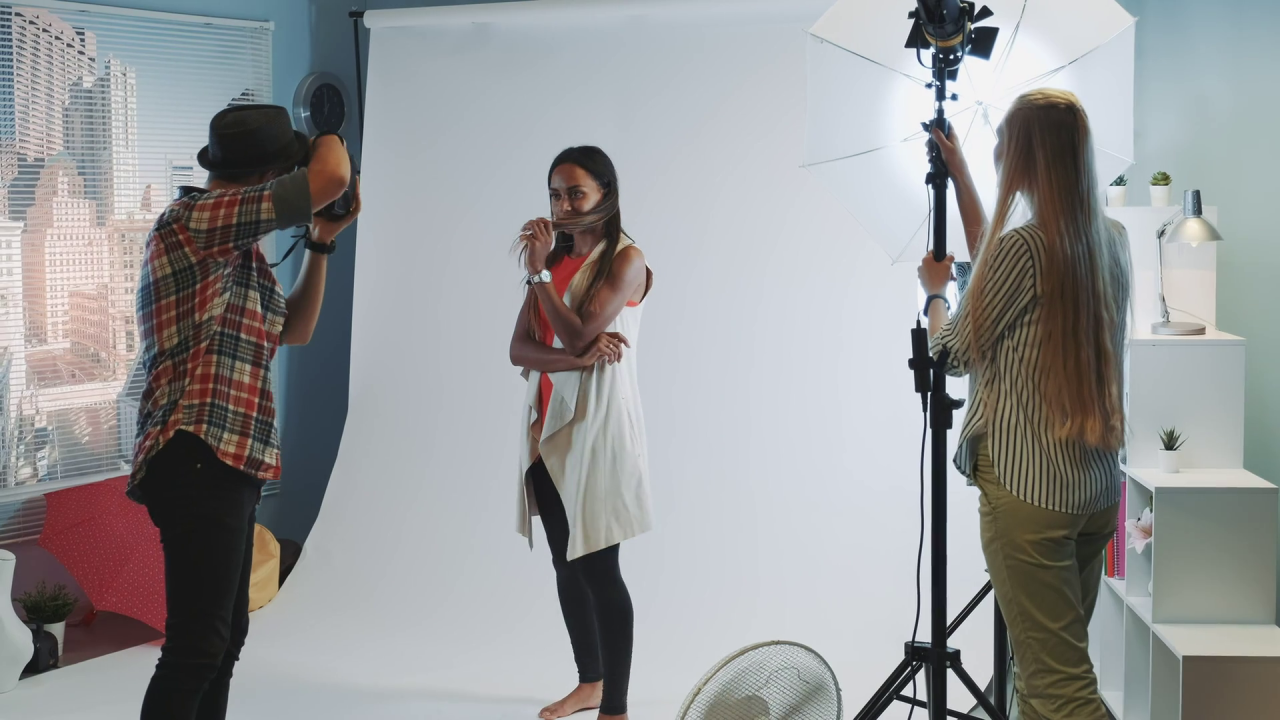 When it comes to capturing the perfect shot as a travel media professional, there are several common challenges that you may encounter along the way. From unpredictable weather conditions to dealing with crowded locations, these obstacles can make it difficult to get the shot you envision. However, with the right strategies and a creative mindset, you can overcome these challenges and still capture stunning images that tell a compelling story.
Dealing with Weather Conditions
One of the most common challenges faced by travel media professionals is dealing with unpredictable weather conditions. Whether it's sudden rain showers, harsh sunlight, or strong winds, the weather can quickly change and impact your ability to capture the perfect shot. To overcome this obstacle, always be prepared by checking the weather forecast ahead of time and packing essential gear such as a rain cover for your camera, a tripod for stability in windy conditions, and a lens hood to reduce glare from the sun. Additionally, embrace the weather as part of the story you're telling and look for unique opportunities to capture dramatic skies or reflections in puddles.
Navigating Crowded Locations
Another challenge you may face is dealing with crowded locations, especially popular tourist spots that are often teeming with people. To overcome this obstacle, arrive early in the morning or late in the evening when crowds are thinner and you can have the location to yourself. Alternatively, try to find unique angles or perspectives that minimize the presence of people in your frame, such as shooting from a higher vantage point or using a wide aperture to create a shallow depth of field that blurs out distractions. Remember that including people in your shots can also add a sense of scale and human interest to your images.
Thinking Creatively in Challenging Situations
When faced with unexpected challenges such as changing light conditions, limited space, or technical difficulties, it's important to think creatively and adapt to the situation. Look for alternative ways to capture your subject, experiment with different angles or compositions, and be open to trying new techniques or equipment to achieve the desired result. Sometimes, the most memorable shots come from embracing the constraints and pushing the boundaries of your creativity.
Final Wrap-Up
In conclusion, Behind the Scenes: How Travel Media Professionals Capture the Perfect Shot unveils the behind-the-scenes magic that goes into creating those awe-inspiring travel photographs, reminding us that every picture tells a unique story worth exploring.
User Queries
What role does lighting play in setting the scene for the perfect shot?
Lighting is essential as it can dramatically affect the mood and overall quality of the image. Professionals often use natural light to enhance their shots, creating a more authentic and visually appealing result.
How do travel media professionals maintain authenticity while editing their photos?
To maintain authenticity, professionals typically avoid heavy editing that alters the original scene. They focus on enhancing the natural beauty of the shot rather than completely transforming it.
What are some common challenges faced by travel media professionals during shoots?
Common challenges include dealing with unpredictable weather conditions, navigating crowded locations, and ensuring the safety and cooperation of subjects. Professionals must adapt quickly to overcome these obstacles.