


With The Art of the Itinerary: Analyzing the Best Travel Brochures in the Industry at the forefront, this paragraph opens a window to an amazing start and intrigue, inviting readers to embark on a storytelling journey filled with unexpected twists and insights.
The content of the second paragraph that provides descriptive and clear information about the topic
Elements of a Great Travel Brochure
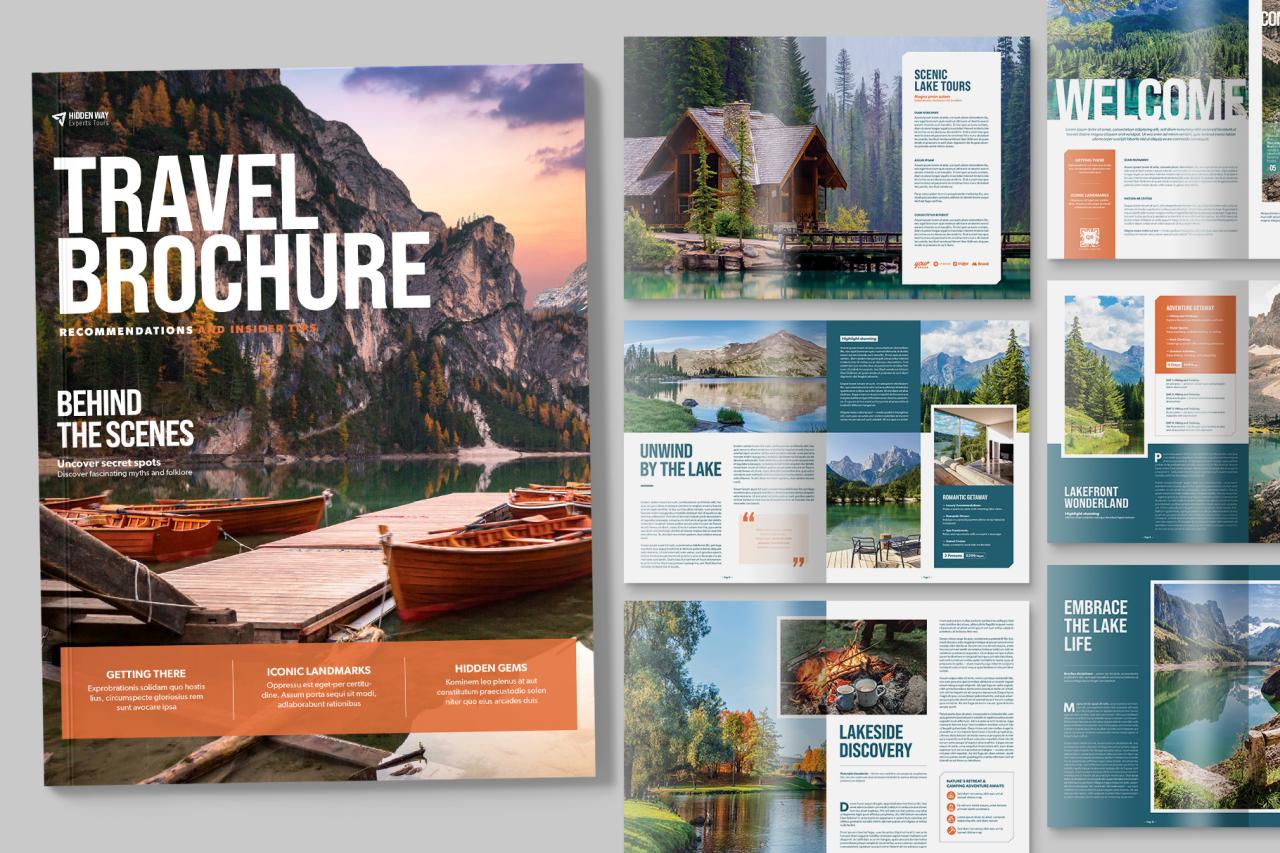
When it comes to creating a visually appealing travel brochure, there are several key design elements that can make a significant difference in attracting potential travelers. From engaging content to effective color schemes and typography, each element plays a crucial role in capturing the attention of the audience and ultimately inspiring them to explore the destination.Key Design Elements for Visual Appeal
- Eye-catching Cover: The cover of a travel brochure should be visually striking to grab the reader's attention immediately.
- High-Quality Images: Including high-quality images of the destination and experiences can help readers visualize themselves there.
- Clean Layout: A clean and organized layout makes it easier for readers to navigate through the brochure and find relevant information.
- Consistent Branding: Using consistent branding elements such as colors, fonts, and logos can help establish a strong brand identity.
Importance of Engaging Content
- Compelling Headlines: Catchy headlines can draw readers in and entice them to learn more about the destination.
- Informative Descriptions: Providing detailed and informative descriptions of attractions and activities can help readers make informed decisions.
- Call to Action: Including a clear call to action can encourage readers to take the next step, such as booking a trip or visiting a website for more information.
Effective Color Schemes and Typography
- Harmonious Colors: Choosing a harmonious color scheme that reflects the destination can create a cohesive and visually appealing brochure.
- Readable Fonts: Using easily readable fonts in appropriate sizes ensures that the content is accessible to all readers.
- Contrast for Emphasis: Incorporating contrast in colors and typography can help highlight important information and make it stand out.
Strategic Use of Images
- Destination Showcases: Images of picturesque landscapes, iconic landmarks, and local culture can showcase the unique features of the destination.
- Experience Highlights: Including images of travelers engaging in activities and experiencing the destination firsthand can evoke a sense of adventure and excitement.
- Mood Setting: Images can help set the mood and tone of the brochure, whether it's a relaxing beach getaway or a thrilling mountain expedition.
Crafting Compelling Itineraries
When creating a travel itinerary, it is crucial to consider the essential components that will make the trip memorable and enjoyable for travelers. Balancing structured activities with free time, incorporating unique experiences, and exploring off-the-beaten-path attractions are key factors in crafting a compelling itinerary that caters to diverse traveler preferences.Balancing Structured Activities with Free Time
When planning an itinerary, it's important to strike a balance between structured activities and free time for travelers to explore on their own. Structured activities can include guided tours, museum visits, and specific excursions, while free time allows travelers to immerse themselves in the local culture, wander through markets, or simply relax and unwind. By offering a mix of scheduled activities and leisure time, travelers can make the most of their trip without feeling overwhelmed by a packed schedule.Incorporating Unique Experiences and Off-the-Beaten-Path Attractions
To create a truly memorable itinerary, it's essential to incorporate unique experiences and off-the-beaten-path attractions that showcase the destination's hidden gems. Whether it's participating in a cooking class with a local chef, exploring a lesser-known neighborhood, or embarking on a scenic hike off the tourist trail, these experiences add depth and authenticity to the travel experience. Including these unique activities can help travelers connect with the destination on a deeper level and create lasting memories.Creating Flexible Itineraries
Flexibility is key when designing an itinerary that accommodates diverse traveler preferences. While it's important to have a well-planned schedule, allowing for flexibility can enhance the overall travel experience. This flexibility can involve incorporating optional activities, adjusting plans based on weather conditions or unforeseen circumstances, and providing opportunities for travelers to customize their itinerary based on their interests. By creating a flexible itinerary, travelers can feel empowered to make choices that suit their preferences and ensure a more personalized and enjoyable trip.Targeting Different Audiences
When it comes to creating travel brochures, one of the key elements is catering to different audiences based on demographics and interests. By adjusting the language, tone, and content, brochures can effectively appeal to specific target markets, whether they are families, solo travelers, luxury seekers, or adventure enthusiasts.Adapting Content for Families
When targeting families, travel brochures often highlight family-friendly accommodations, activities suitable for all ages, and safety measures. The language used is warm, inviting, and focuses on creating memorable experiences for the whole familyAppealing to Solo Travelers
Solo travelers look for unique experiences and opportunities to connect with locals. Brochures targeting solo travelers emphasize independence, flexibility, and the chance to immerse oneself in the local culture. They may include information on solo-friendly accommodations, group tours, and recommendations for solo dining experiences.Attracting Luxury Seekers
Brochures tailored to luxury seekers focus on exclusivity, luxury accommodations, fine dining, and personalized experiences. The language used is sophisticated, highlighting upscale amenities, private tours, and VIP treatment. These brochures often include detailed descriptions of luxurious accommodations, spa services, and gourmet dining options.Resonating with Diverse Audiences
To resonate with diverse audiences, travel brochures incorporate cultural nuances and local insights. This may involve highlighting unique cultural experiences, traditional festivals, and off-the-beaten-path attractions. By including authentic details and insider tips, brochures can appeal to a wide range of travelers with varying interests and preferences.Interactive and Digital Innovations
 In today's fast-paced digital world, travel brochures have evolved to incorporate interactive elements that engage and captivate audiences like never before. These innovations not only enhance the overall user experience but also provide valuable information in a dynamic and immersive way.
Impact of Digital Platforms
With the rise of digital platforms, travel information is now more accessible than ever before. Brochures can be easily distributed online, reaching a global audience instantly. This shift has revolutionized the way travelers plan their trips, allowing them to access detailed itineraries, reviews, and recommendations with just a few clicks.QR Codes, Augmented Reality, and Virtual Tours
Travel brochures are now incorporating QR codes that users can scan with their smartphones to access additional content such as videos, interactive maps, and exclusive offers. Augmented reality technology is also being used to provide virtual tours of destinations, allowing travelers to explore key attractions from the comfort of their homes. These innovative features bring destinations to life and create a more engaging and personalized experience for the audience.Shaping the Future of Brochure Design
Technology continues to play a significant role in shaping the future of travel brochure design. As advancements in virtual reality and artificial intelligence progress, we can expect to see even more interactive and immersive elements integrated into brochures. This evolution will not only enhance the visual appeal of brochures but also provide travelers with a more comprehensive and personalized planning experience.Closing Notes
The content of the concluding paragraph that provides a summary and last thoughts in an engaging manner
FAQ Explained
What are some key design elements that make a travel brochure visually appealing?
Key design elements include captivating images, engaging content, effective color schemes, and typography that enhances readability.
How can travel brochures cater to different demographics and interests?
Travel brochures can adapt content for families, solo travelers, luxury seekers, etc., by using language, tone, and content that appeal to specific target markets.
What modern trends are emerging in incorporating interactive elements in travel brochures?
Modern trends include the use of QR codes, augmented reality, and virtual tours to enhance the brochure experience and engage readers in new ways.