


Digital vs. Paper Travel Brochures: Which Provides Better Vacation Planning? sets the stage for this enthralling narrative, offering readers a glimpse into a story that is rich in detail and brimming with originality from the outset.
In this comparison, we will explore the benefits and drawbacks of digital and paper travel brochures, shedding light on which medium might suit your vacation planning needs best.
Digital Travel Brochures
Digital travel brochures offer numerous advantages over their paper counterparts. They provide travelers with dynamic and interactive features that enhance the vacation planning experience.Interactive Features
Digital brochures can include interactive maps, videos, slideshows, and links to external websites for more information. These features allow users to explore destinations in a more engaging way compared to static paper brochures.Real-Time Updates
One of the key benefits of digital brochures is the ease of updating information in real-time. Travelers can receive the latest updates on accommodations, attractions, and activities, ensuring that they have access to the most current information for their trip.Environmental Impact
Digital brochures are also more environmentally friendly than paper brochures. By reducing the need for printing and distribution, digital brochures help minimize paper waste and carbon emissions associated with traditional printing processes.Paper Travel Brochures
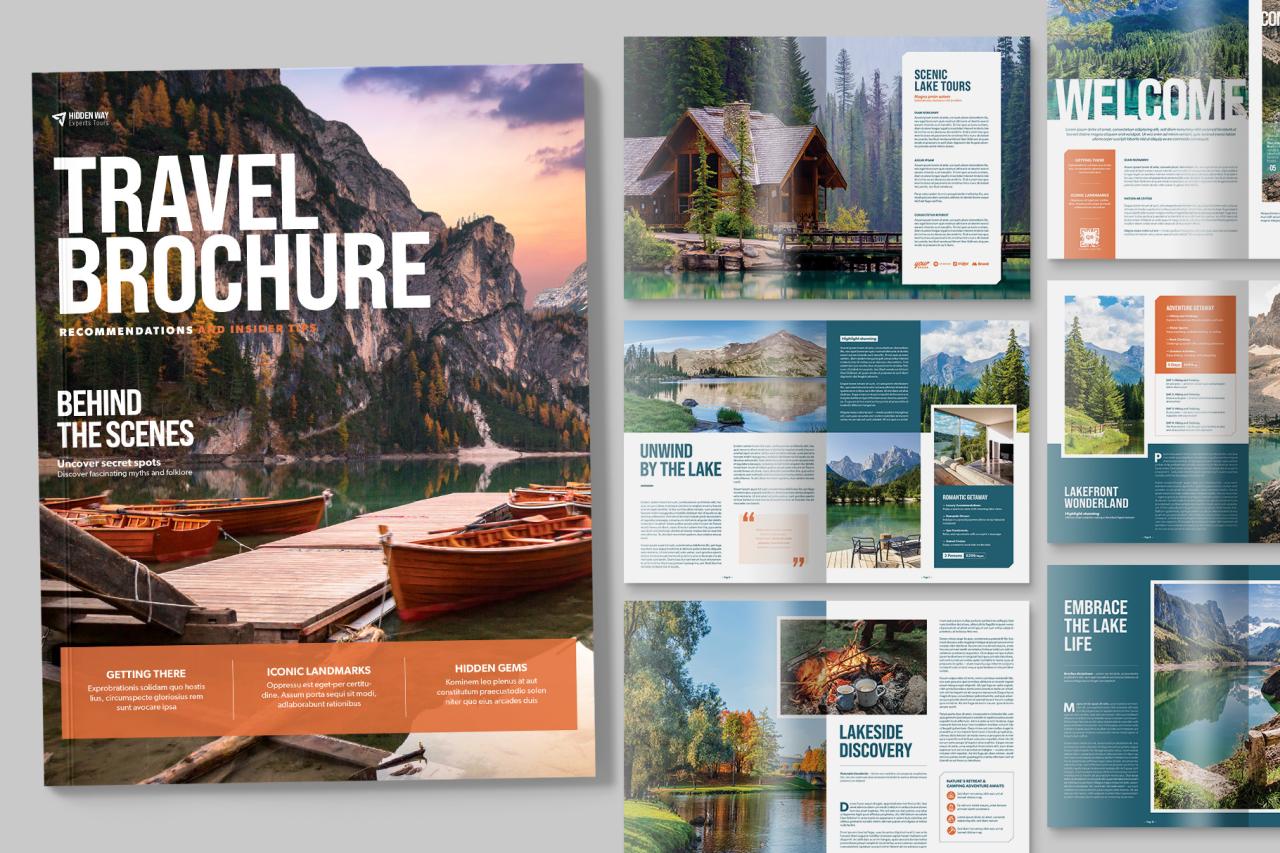 When it comes to vacation planning, traditional paper brochures still hold a special place in the hearts of many travelers. The tactile experience of flipping through pages and holding a physical brochure can offer a unique charm and nostalgia that digital versions may not fully capture.
Tactile Experience and Charm
Using paper brochures for vacation planning engages multiple senses, allowing travelers to feel the texture of the paper, smell the ink, and visually immerse themselves in the destination. This hands-on experience can evoke a sense of excitement and anticipation that digital brochures may not replicate.- Flipping through pages offers a tangible connection to the destination, making the planning process more immersive.
- The physicality of paper brochures can create a sense of nostalgia, reminiscent of simpler times before the digital age.
- Some travelers appreciate the artistic design and layout of paper brochures, finding them more visually appealing than digital alternatives.
Engagement and Limitations
While paper brochures can provide a unique level of engagement, they also come with limitations that may impact the efficiency of vacation planning.- Engagement: Paper brochures can encourage travelers to spend more time exploring the content, resulting in a deeper connection to the destination.
- Limitations: Paper brochures are static and may not always offer the most up-to-date information, leading to potential inaccuracies in planning.
- Accessibility: Carrying multiple paper brochures can be cumbersome and may limit the number of resources available for reference during the trip.
User Experience
When it comes to user experience, navigating through digital and paper travel brochures offers distinct advantages and drawbacks. Digital brochures provide interactive features, search functions, and multimedia content, enhancing user engagement. On the other hand, paper brochures offer a tactile experience and the ability to flip through pages at a leisurely pace, providing a sense of nostalgia and charm.Navigation Experience
- Digital Brochures: Users can easily navigate through digital brochures using hyperlinks, search bars, and interactive maps. This allows for quick access to specific information and the ability to explore different sections effortlessly.
- Paper Brochures: Navigating through paper brochures involves physically flipping through pages, which can be time-consuming. However, some users prefer this tactile experience and find it more relaxing than scrolling through a screen.
Impact on Vacation Planning
- Digital Brochures: The interactive nature of digital brochures can streamline vacation planning by providing real-time updates, personalized recommendations, and the ability to save or share information easily. Users can also access additional resources like booking websites directly from the brochure.
- Paper Brochures: While paper brochures may lack the convenience of digital features, they can inspire creativity and imagination in vacation planning. The physicality of paper brochures allows users to create mood boards, highlight important details, and take notes for a more personalized experience.
Personal Preferences and Habits
- Users who prefer convenience, quick access to information, and the ability to interact with multimedia content may lean towards digital brochures for vacation planning.
- Those who enjoy a slower, more tactile approach to planning, appreciate the aesthetic appeal of printed materials, or simply prefer a break from screen time may opt for paper brochures.
- Personal habits, such as comfort with technology, environmental concerns, or the desire for a tangible keepsake, can also influence the choice between digital and paper brochures.
Practicality and Portability
Carrying travel brochures, whether digital or paper, plays a crucial role in how convenient and accessible vacation planning can be. The practicality and portability of these brochures can significantly impact the overall travel experience.Practicality of Carrying Digital vs. Paper Brochures
- Digital brochures offer the advantage of being easily accessible on smartphones, tablets, or laptops, making them lightweight and space-saving.
- Paper brochures, on the other hand, do not require any electronic devices to access and can be more convenient for those who prefer physical copies.
- However, digital brochures eliminate the risk of losing or damaging physical copies, providing a more secure option for travelers.
Portability Impact on Vacation Planning
- When planning a trip, having digital brochures allows travelers to access information on the go without the need to carry bulky paper materials.
- On the contrary, paper brochures can be useful during specific activities where electronic devices are not allowed or in areas with limited connectivity.
- The portability of brochures can affect decision-making processes during spontaneous travel moments, with digital brochures offering quick access to information.
Convenience Scenarios for Different Brochure Types
- During the initial research and planning stage, digital brochures can provide a wide range of information at the fingertips, allowing for easy comparison and exploration.
- While on the move, paper brochures can be handy for quick reference without the need to unlock devices or navigate through digital interfaces.
- In remote locations or areas with poor internet connection, paper brochures can be a reliable source of information, ensuring travelers have access to essential details.
Closure
In conclusion, whether you prefer the convenience of digital brochures or the tactile experience of paper ones, both mediums have their unique advantages. The choice ultimately depends on personal preferences and how you like to plan your vacations.
FAQ Corner
Are digital brochures more environmentally friendly than paper brochures?
Yes, digital brochures have a lower environmental impact compared to paper brochures since they reduce the need for paper production and printing.
Do paper brochures offer a more engaging experience than digital ones?
Paper brochures can sometimes provide a different level of engagement due to their tactile nature and nostalgic charm, appealing to those who enjoy a more traditional approach to vacation planning.
Which type of brochure is easier to update with real-time information?
Digital brochures are easier to update with real-time information compared to paper brochures, allowing for quick changes and updates to travel details.
How do personal preferences influence the choice between digital and paper brochures?
Personal preferences such as digital literacy, environmental concerns, and the desire for a tactile experience can influence whether one prefers digital or paper brochures for vacation planning.