


Exploring The Evolution of Travel Media: How Digital Trends are Shaping Our Vacations, this introduction leads readers into a captivating narrative, with a casual formal language style that is engaging and thought-provoking right from the start.
Providing detailed insights into the impact of digital trends on travel media, this paragraph sets the stage for a comprehensive discussion on the changing landscape of vacation planning.
The Impact of Digital Trends on Travel Media
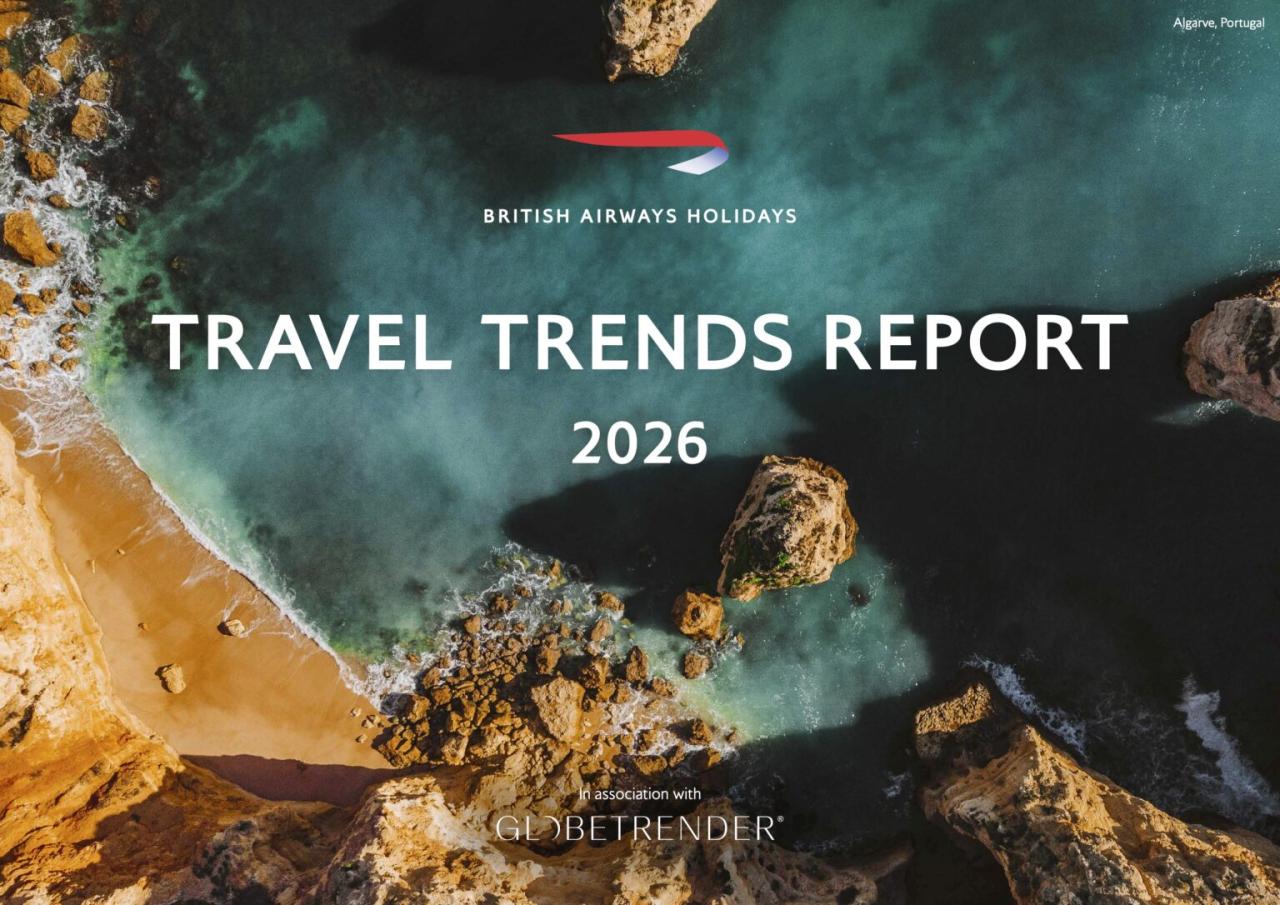 Digital trends have revolutionized the way we consume travel media, shaping the landscape of vacation planning and exploration. From the rise of social media platforms to the emergence of online travel agencies, the digital realm has significantly impacted how travelers engage with content and make decisions about their trips.
Social Media Influence on Vacation Planning
- Social media platforms like Instagram, Facebook, and Pinterest have become powerful tools for travelers to discover new destinations, seek inspiration, and share their own travel experiences.
- Influencers and travel bloggers play a key role in shaping travel trends by showcasing unique destinations, accommodations, and activities to their followers.
- Travelers often rely on user-generated content, such as reviews, photos, and videos, to make informed decisions about where to stay, what to do, and where to eat during their trips.
Role of Online Travel Agencies
- Online travel agencies (OTAs) like Expedia, Booking.com, and Airbnb have streamlined the booking process, offering a wide range of options for accommodations, flights, and activities in one convenient platform.
- OTAs leverage data analytics and personalization to recommend tailored travel experiences based on user preferences and browsing history.
- Travelers can compare prices, read reviews, and book their entire trip online, making the planning process more efficient and accessible.
Significance of User-Generated Content
- User-generated content, including reviews, ratings, and social media posts, has become a trusted source of information for travelers looking to validate their travel choices.
- Platforms like TripAdvisor and Yelp allow users to share their experiences and recommendations, helping others make informed decisions and discover hidden gems.
- User-generated content adds a personal touch to travel media, offering authentic insights and perspectives that go beyond traditional marketing campaigns.
Evolution of Travel Content Formats
 The evolution of travel content formats has seen a significant shift from traditional print media to digital platforms. With the rise of the internet and social media, travel content is now more accessible than ever before.
Video Content vs. Written Content in the Travel Industry
- Video content has become increasingly popular in the travel industry due to its ability to provide immersive experiences and visually showcase destinations.
- Written content, on the other hand, continues to play a crucial role in providing detailed information, tips, and recommendations for travelers.
- Both video and written content have their strengths, with video being more engaging and visual, while written content offers in-depth insights and guidance.
Rise of Virtual Reality and Augmented Reality in Enhancing Travel Experiences
- Virtual reality (VR) and augmented reality (AR) technologies are revolutionizing the way travelers experience destinations before booking their trips.
- VR allows users to explore destinations in a 360-degree immersive environment, while AR enhances the physical world with digital overlays and information.
- These technologies provide a more interactive and engaging way for travelers to preview destinations, accommodations, and activities.
Importance of Mobile Optimization in Travel Media
- Mobile optimization is crucial in travel media as more consumers rely on their smartphones and tablets to research, plan, and book their trips.
- Having a mobile-friendly website and content ensures that travelers can easily access information on-the-go, leading to a better user experience.
- Mobile optimization also improves search engine rankings and visibility, making it easier for travelers to find relevant travel content.
Personalization and Customization in Travel Media
Personalization and customization in travel media have become increasingly prevalent with the advancements in data analytics and AI technologies. By leveraging user data and preferences, travel companies can tailor recommendations and content to suit individual travelers, enhancing their overall experience.Benefits and Challenges of Personalizing Travel Content
- Benefits:
- Increased customer satisfaction: Personalized recommendations cater to the specific needs and interests of travelers, leading to higher satisfaction levels.
- Improved customer loyalty: By providing personalized experiences, travel companies can build stronger relationships with customers, leading to repeat business and referrals.
- Higher conversion rates: Customized content can lead to higher conversion rates as travelers are more likely to engage with and act upon personalized recommendations.
- Challenges:
- Data privacy concerns: Personalizing travel content requires the collection and use of personal data, raising concerns about privacy and data security.
- Accuracy of recommendations: Ensuring the accuracy of personalized recommendations can be challenging, as it requires sophisticated algorithms and constant data updates.
- Balancing personalization with serendipity: While personalization is important, travelers also appreciate serendipitous discoveries during their trips, posing a challenge in striking the right balance.
Examples of Successful Personalized Travel Campaigns
- Netflix's personalized destination recommendations based on viewing history and preferences have resulted in increased user engagement and satisfaction.
- Amazon's personalized travel product suggestions have led to higher conversion rates and customer retention.
Ethical Considerations of Personalized Travel Experiences
- Respecting user privacy: Travel companies must ensure that they are transparent about data collection practices and obtain user consent before personalizing experiences.
- Avoiding discrimination: Personalized recommendations should not perpetuate biases or discriminate against certain groups based on their personal data.
- Securing user data: It is crucial for travel companies to implement robust security measures to protect user data from unauthorized access or breaches.
Collaborations and Influencer Marketing in the Travel Industry
In today's digital age, influencers play a significant role in shaping travel trends and consumer behavior. Their ability to create authentic and engaging content has made them valuable partners for travel brands looking to reach a wider audience.The Role of Influencers in Shaping Travel Trends and Consumer Behavior
Influencers have the power to inspire wanderlust and drive interest in specific destinations or travel experiences. Their curated content showcases unique perspectives, insider tips, and visually appealing imagery that resonates with their followers. By leveraging their influence and credibility, influencers can sway consumer decisions and influence travel choices.- Through captivating storytelling and visually appealing content, influencers can create a desire for travel experiences that resonate with their audience.
- Influencers often provide valuable recommendations, tips, and insights that help travelers make informed decisions about their trips.
- Collaborating with influencers allows travel brands to tap into new audiences and leverage the influencer's loyal following to promote their offerings.
Successful Collaborations between Travel Brands and Influencers
Successful collaborations between travel brands and influencers are built on authenticity, alignment of values, and mutual benefit. When influencers authentically engage with a brand or destination, their content feels genuine and resonates with their audience, leading to increased interest and engagement.- Examples of successful collaborations include influencers partnering with hotels, airlines, tourism boards, and travel agencies to showcase destinations, accommodations, and experiences.
- Co-creating content with influencers allows travel brands to reach a broader audience and benefit from the influencer's storytelling skills and engagement.
- Influencers can provide unique perspectives and insider tips that add value to the travel content, making it more relatable and engaging for their followers.
The Authenticity of Influencer Content and Its Influence on Travel Decision-Making
Authenticity is key in influencer marketing, especially in the travel industry where consumers seek genuine recommendations and experiences. Influencers who maintain transparency, disclose partnerships, and share authentic travel experiences are more likely to build trust with their audience and influence travel decision-making.- Authentic influencer content resonates with audiences as it feels genuine, relatable, and trustworthy, leading to increased engagement and interest in travel experiences.
- Consumers are more likely to trust recommendations from influencers who have a genuine passion for travel and share their personal experiences, tips, and insights.
- Authentic influencer content can inspire travel decision-making, influence destination choices, and encourage travelers to explore new places and experiences.
The Impact of Influencer Marketing on the Overall Travel Industry
Influencer marketing has significantly impacted the travel industry by reshaping how brands connect with consumers, promote destinations, and drive engagement. The authentic and engaging content created by influencers has opened up new opportunities for travel brands to reach a wider audience and showcase their offerings in a compelling way.- Influencer marketing has helped travel brands increase brand awareness, reach new audiences, and drive engagement through authentic and engaging storytelling.
- Collaborating with influencers has enabled travel brands to create buzz around destinations, accommodations, and experiences, leading to increased interest and bookings.
- Influencer marketing has transformed the way travelers discover, plan, and book their trips, with influencers playing a key role in influencing travel decisions and shaping consumer behavior.
Conclusion
In conclusion, this discussion on The Evolution of Travel Media: How Digital Trends are Shaping Our Vacations highlights the key points and leaves readers with a lasting impression of the evolving nature of travel content consumption.
FAQ Resource
What are some examples of successful personalized travel campaigns?
Answer: Successful examples include targeted email campaigns, personalized travel recommendations based on user preferences, and customized travel itineraries tailored to individual needs.
How has influencer marketing impacted the travel industry?
Answer: Influencer marketing has significantly influenced consumer behavior, shaping travel trends, and driving engagement with travel brands through authentic and relatable content.
What role do data analytics play in personalizing travel recommendations?
Answer: Data analytics help in analyzing user behavior and preferences to offer personalized travel suggestions, enhancing the overall travel experience for individual users.
What ethical considerations are involved in customizing travel experiences using personal data?
Answer: Ethical considerations include ensuring data privacy, obtaining user consent for personalization, and safeguarding sensitive information to build trust with consumers.