


Delving into Where to Find the Most Inspiring Travel Brochures for Your Next Escape, this introduction immerses readers in a unique and compelling narrative, with casual formal language style that is both engaging and thought-provoking from the very first sentence.
The content of the second paragraph that provides descriptive and clear information about the topic
Where to Look for Travel Brochures
When searching for travel brochures to inspire your next escape, there are several popular sources you can explore. These sources offer a variety of options, from physical brochures to digital versions, each providing unique benefits for travelers.
Popular Sources for Finding Travel Brochures:
- Travel Agencies: Visit local travel agencies or check their websites to pick up brochures showcasing different destinations and travel packages.
- Tourist Information Centers: Stop by tourist information centers in your area or at your destination to grab brochures highlighting local attractions and activities.
- Hotels and Resorts: Many hotels and resorts have racks filled with brochures featuring nearby points of interest, tours, and excursions.
- Online Travel Websites: Explore online travel websites that offer digital brochures for various destinations, allowing you to browse and download them instantly.
Accessing physical brochures typically involves visiting physical locations like travel agencies, tourist information centers, or hotels to pick them up in person. On the other hand, digital versions can be easily accessed and downloaded from websites, providing instant access to travel information at your fingertips.
Collecting brochures from different sources can offer a well-rounded view of the travel options available. It allows you to compare destinations, activities, and accommodations, helping you make informed decisions for your next trip. Additionally, gathering brochures from various sources can spark new ideas and inspire unique travel experiences.
Types of Travel Brochures
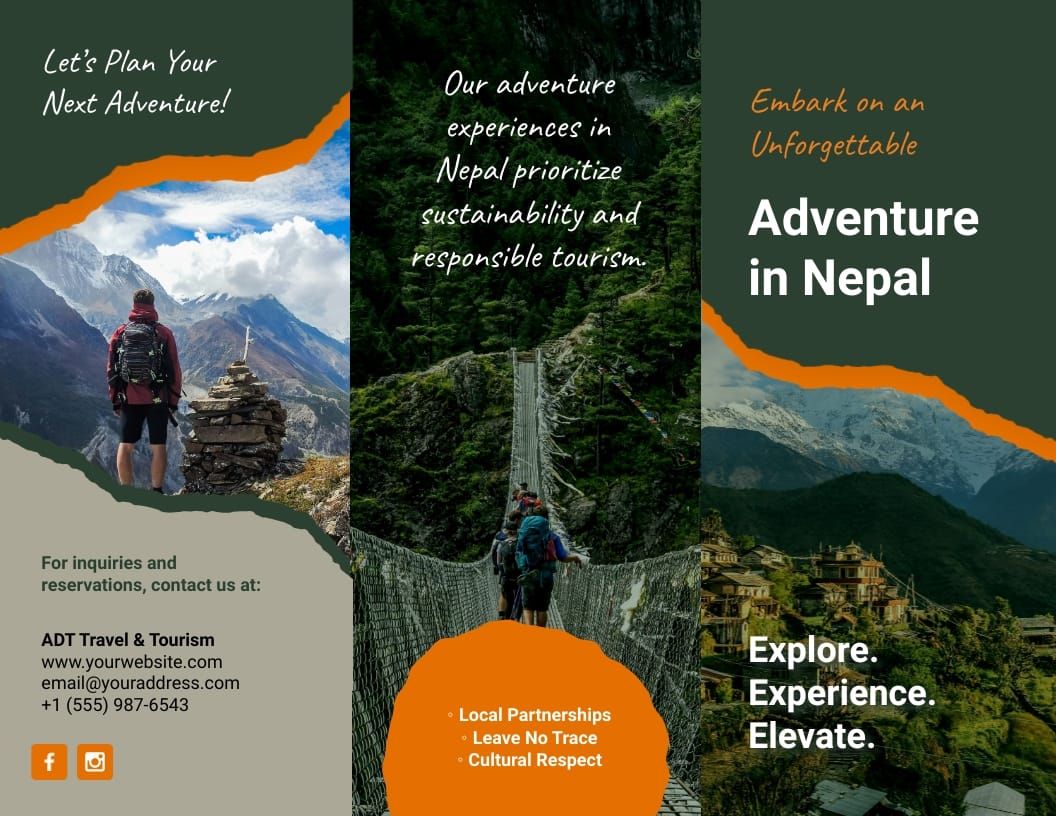 When it comes to travel brochures, there are various types available to cater to different needs and preferences of travelers. Let's explore the different types of travel brochures from tourism boards, travel agencies, and hotels, and how they differ in terms of content and design.
Tourism Boards Brochures
Tourism boards often produce brochures that highlight the overall attractions, activities, and culture of a destination. These brochures are usually comprehensive and provide detailed information on popular tourist spots, local festivals, historical sites, and more. The content in tourism board brochures is geared towards promoting the destination as a whole, aiming to attract visitors from around the world. The design of these brochures is often colorful, visually appealing, and includes stunning images to capture the essence of the destination.Travel Agencies Brochures
Travel agencies typically create brochures that focus on specific travel packages, tours, or experiences they offer. These brochures are more targeted and specific, outlining the details of each trip, including itinerary, inclusions, accommodations, and pricing. The content in travel agency brochures is tailored to showcase the unique selling points of each package and entice customers to book their services. The design of these brochures is usually sleek, with a professional layout and clear information to help travelers make informed decisions.Hotels Brochures
Hotels often produce brochures to showcase their property, amenities, room types, dining options, and special promotions. These brochures aim to attract guests to stay at the hotel by highlighting its features and offerings. The content in hotel brochures is focused on providing a glimpse of the luxury and comfort that guests can expect during their stay. The design of these brochures is elegant, with high-quality images of the hotel facilities and services to create a sense of luxury and exclusivity.Elements of an Inspiring Travel Brochure
When it comes to creating an inspiring travel brochure, several key elements play a crucial role in capturing the attention of potential travelers and enticing them to explore a destination. From captivating visuals to compelling descriptions, including maps, itineraries, and local tips, each element contributes to the overall appeal of the brochure and helps travelers envision their next escape.Captivating Visuals
Visuals are essential in a travel brochure as they immediately attract the reader's attention and evoke a sense of wanderlust. Stunning images of picturesque landscapes, vibrant cityscapes, and cultural experiences can transport the reader to the destination and spark their desire to visit. Whether it's a breathtaking sunset over the ocean or a bustling market full of colors and flavors, visuals play a significant role in making a brochure inspiring.Compelling Descriptions
Alongside captivating visuals, compelling descriptions are equally important in conveying the unique experiences and attractions of a destination. Engaging storytelling that paints a vivid picture of the destination's history, culture, and local traditions can ignite curiosity and create a sense of anticipation. By using descriptive language that appeals to the senses, a travel brochure can effectively communicate the essence of a place and inspire travelers to discover more.Maps, Itineraries, and Local Tips
Inclusion of maps, itineraries, and local tips is crucial in helping travelers plan their trip and make the most of their experience. Maps provide a visual guide to the destination, highlighting key landmarks, attractions, and points of interest. Itineraries offer a suggested Artikel of activities and must-see places, helping travelers organize their time effectively. Local tips, such as hidden gems, recommended restaurants, and insider insights, add a personal touch to the brochure and enhance the overall travel experience. By incorporating these practical elements, a travel brochure becomes not only inspiring but also informative and useful for travelers seeking guidance and inspiration for their next escape.Design and Layout
When it comes to travel brochures, the design and layout play a crucial role in attracting the attention of potential travelersImportance of Layout
The layout of a travel brochure is essential as it determines how information is presented to the reader. A good layout should be visually appealing, organized, and easy to navigate. It should guide the reader through the content, highlighting key information and enticing them to learn more about the destination.Colors, Fonts, and Images
Colors, fonts, and images are powerful tools that can enhance the overall design of a travel brochure. The choice of colors can evoke emotions and set the mood for the destination. Vibrant colors may be suitable for a tropical beach destination, while earthy tones may be more appropriate for a mountain retreat.Fonts also play a crucial role in conveying the tone of the brochure. It's essential to choose fonts that are easy to read and align with the overall theme of the destination. A mix of fonts can be used to differentiate headings, subheadings, and body text, creating a visually appealing hierarchy.Images are perhaps the most impactful element of a travel brochure. High-quality, captivating images can transport the reader to the destination and inspire wanderlust. It's important to select images that showcase the highlights of the location, from stunning landscapes to cultural experiences.Tips for Creating a Visually Appealing Brochure
- Keep the layout clean and uncluttered to allow the content to shine. - Use a cohesive color scheme that reflects the destination's vibe. - Choose fonts that are easy to read and complement each other. - Incorporate captivating images that showcase the best of the destination. - Utilize white space strategically to create a balanced design. - Consider the flow of information and guide the reader through the brochure in a logical sequence. - Test the brochure with a focus group to gather feedback on its design and usability.Collecting and Organizing Brochures
When it comes to collecting and organizing travel brochures, there are a few tips and tricks that can help you build an inspiring collection and keep it well-managed.
Starting a Collection
- Start by collecting brochures from places you have visited or places you dream of visiting.
- Visit tourist information centers, hotels, travel agencies, and events to gather brochures.
- Ask friends and family to bring back brochures from their travels.
Creative Organization Methods
- Create a dedicated travel brochure binder or folder to keep them neatly organized.
- Use clear plastic sleeves to protect brochures from wear and tear.
- Categorize brochures by destination, type of travel (beach, adventure, cultural), or by theme.
Digital Tools for Cataloging
- Consider scanning brochures and creating a digital catalog using apps like Evernote or Google Keep.
- Use Pinterest boards to create virtual collections of travel inspiration.
- Organize digital files by destination, date, or type of travel experience.
Ending Remarks
The content of the concluding paragraph that provides a summary and last thoughts in an engaging manner
Key Questions Answered
Where can I find travel brochures?
You can find travel brochures at popular sources like tourism boards, travel agencies, and hotels.
What are the different types of travel brochures available?
Different types include brochures from tourism boards, travel agencies, and hotels, each with unique content and design.
What elements make a travel brochure inspiring?
Key elements include captivating visuals, compelling descriptions, maps, itineraries, and local tips.
How should I design a visually appealing travel brochure?
Focus on layout, colors, fonts, and images that contribute to an attractive design.
Any tips for organizing and collecting brochures?
Start by collecting brochures from different sources and explore creative ways to organize and store them, including digital tools for cataloging.